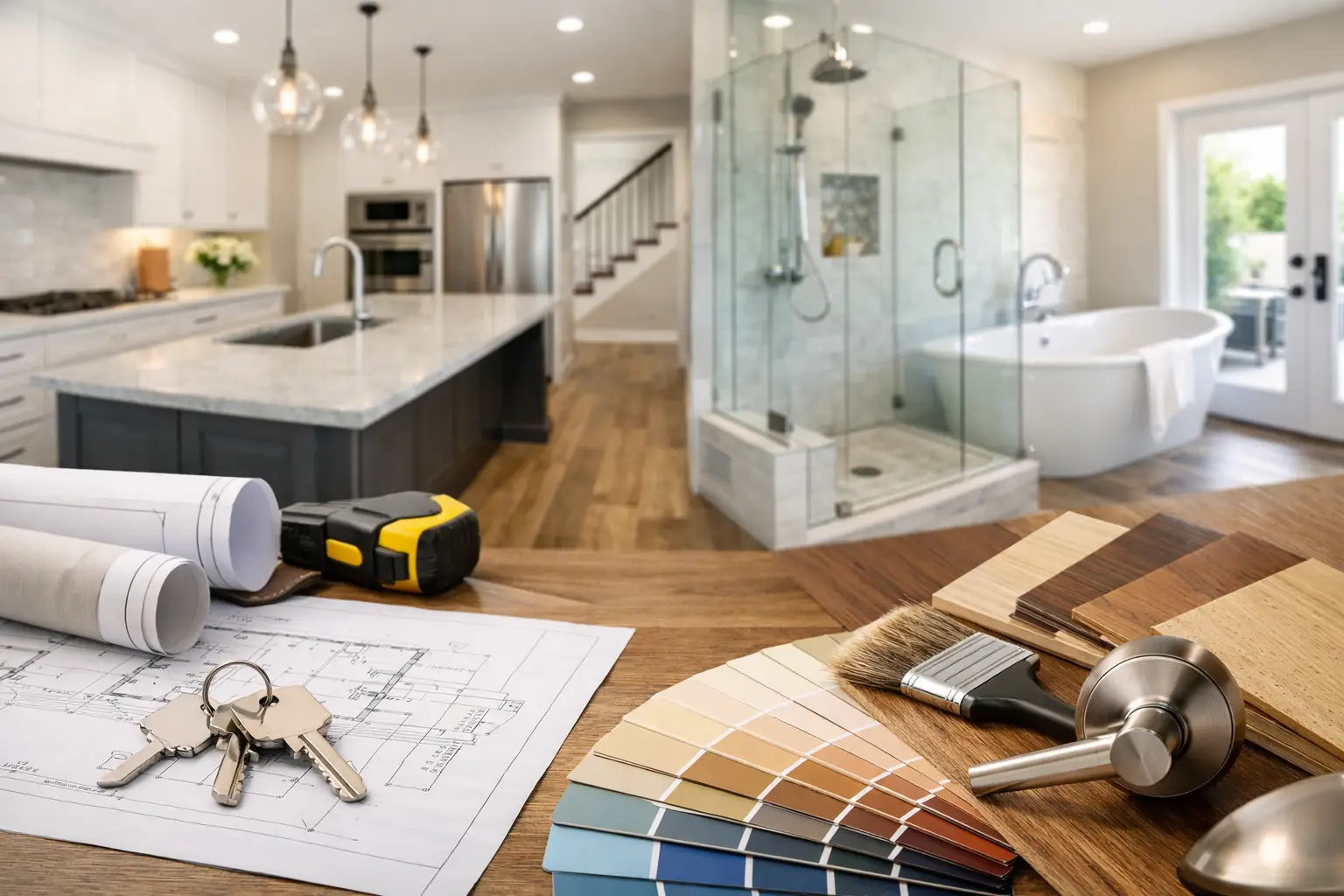
A resale renovation can go sideways fast when the budget follows personal taste instead of buyer behavior. We see it often on the Peninsula - beautiful money spent in the wrong places, while the features that actually influence offers are left untouched. The best upgrades for resale renovations are the ones that photograph well, show well in person, and hold up under scrutiny once buyers start comparing your home to everything else in the neighborhood.
That does not mean every project should feel generic. It means your investment needs discipline. In high-value markets like Palo Alto, Menlo Park, Los Altos, and Burlingame, buyers expect quality, but they are still making trade-offs. They will pay for homes that feel well cared for, well planned, and built right. They are less likely to reward expensive choices that look custom but do not improve function, comfort, or confidence.
What buyers actually pay for
Resale value is rarely driven by one dramatic feature. More often, it comes from a series of upgrades that remove objections. Buyers notice an outdated kitchen, worn flooring, poor lighting, old windows, and tired bathrooms immediately. They also notice when a renovation looks rushed, when materials feel flimsy, or when finish selections fight each other from room to room.
The strongest resale projects solve three things at once. First, they improve daily use. Second, they create a clean and consistent visual impression. Third, they reduce the buyer's fear that major work is still waiting after close. That last point matters more than many sellers realize. A home that feels complete and durable often performs better than one with flashy finishes layered over deferred maintenance.
The best upgrades for resale renovations start with the kitchen
If the home has one room that shapes first impressions and offer strategy, it is the kitchen. Buyers do not need the most expensive kitchen on the block, but they do expect one that feels current, functional, and proportionate to the home.
Cabinet refacing can work when the layout is strong and the boxes are in excellent condition. But if circulation is awkward, storage is inefficient, or appliance placement makes the room feel compromised, a cosmetic refresh will not solve the underlying issue. In resale work, layout matters. A well-organized kitchen with good clearances, practical storage, and durable surfaces usually outperforms a high-style kitchen with poor function.
Stone countertops, quality cabinet hardware, under-cabinet lighting, and a full-height backsplash tend to read as worthwhile upgrades. So do panel-ready or visually integrated appliances when the home supports that level of finish. What buyers are less likely to reward is extreme customization - unusual specialty appliances, highly specific color palettes, or luxury features that consume budget without improving usability.
Bathrooms should feel clean, bright, and lasting
Bathrooms carry more weight in resale than their size might suggest. A dated bath can make the whole home feel behind, while a well-executed one signals care and permanence.
The best bathroom upgrades are usually straightforward: better lighting, new tile, updated vanities, quality plumbing fixtures, improved ventilation, and frameless or low-profile shower glass where appropriate. Heated floors can be a nice advantage in the right home, but only after the fundamentals are covered. Buyers respond to spaces that feel fresh and easy to maintain.
This is also where craftsmanship shows. Uneven tile lines, weak waterproofing, hollow-sounding floors, and bargain fixtures are easy to spot, especially in premium neighborhoods. If resale is the goal, it is better to build a simple bathroom properly than to over-design one and cut corners behind the walls.
Flooring and paint deliver more than people expect
Some of the highest-impact resale upgrades are not glamorous. Flooring and paint change how the entire house reads, both online and in person.
Wide-plank hardwood or a high-quality engineered wood floor tends to perform well because it creates continuity and warmth. On the Peninsula, buyers generally respond to clean, natural finishes over heavy stain colors or trend-driven looks that may age quickly. If original hardwoods can be repaired and refinished, that often offers excellent value.
Paint matters for the same reason. A unified palette makes a home feel larger, calmer, and more expensive. The wrong white can read cold, and overly dark or saturated walls can narrow the buyer pool. Resale color selection should support light, architecture, and flooring, not compete with them. This is where restraint pays off.
Lighting is one of the most overlooked resale drivers
Poor lighting can flatten a good renovation. Strong lighting can elevate a modest one.
A resale-minded lighting plan layers recessed ambient light, decorative fixtures where they create emphasis, and task lighting where people actually use the space. Kitchens, bathrooms, entries, and living areas benefit most from this approach. Consistent trim styles and finish selections help the house feel cohesive.
There is a trade-off here. Statement fixtures can help marketing photos, but only if they fit the home's architecture. Overscaled chandeliers or highly stylized pendants can make a home feel more taste-specific than market-ready. In most resale renovations, the better move is refined and timeless rather than theatrical.
Curb appeal still shapes the price conversation
Before buyers notice the floor plan, they are already judging the home from the street. That first read sets expectations for value, condition, and maintenance.
The best exterior upgrades are usually a combination of landscape cleanup, new paint or stain, improved entry doors, updated garage doors, and better exterior lighting. Window replacement can add value too, especially when the existing units are dated, damaged, or visually inconsistent. In higher-end neighborhoods, buyers expect exterior details to feel intentional. A neglected facade suggests there may be bigger issues inside.
Landscaping deserves special attention. You do not need a highly elaborate design to create value, but you do need definition, health, and order. Clean planting, usable outdoor zones, and proper drainage all support a stronger impression. Buyers are quick to notice when exterior work looks cosmetic but not complete.
Do the systems work before the finishes shine?
This is where disciplined sellers separate themselves from speculative remodels. Cosmetic updates are easy to photograph. Mechanical reliability is what protects value once inspections begin.
If the roof is near the end of its life, the electrical panel is outdated, the plumbing is compromised, or the HVAC system is underperforming, those issues can drag down the entire sale. Buyers in this market are not just buying appearance. They are buying confidence.
That is why some of the best upgrades for resale renovations never become the star of the listing. Updated electrical, sound plumbing work, proper waterproofing, efficient heating and cooling, and windows that operate smoothly may not create the biggest visual reaction, but they reduce negotiation pressure and help the home feel truly move-in ready.
Add square footage carefully
More space can increase value, but it is not automatically the smartest resale move. Additions and reconfigurations need to be weighed against cost, lot constraints, permitting timelines, and neighborhood ceiling prices.
If a home lacks a clear primary suite, a proper laundry area, or useful family space, a targeted addition can be worthwhile. The same goes for an ADU in locations where multigenerational living or rental flexibility is attractive. But not every property benefits from pushing square footage at all costs. If the addition creates awkward massing, compromises the yard, or stretches the budget so far that finish quality suffers, the resale math can weaken.
A cleaner internal reconfiguration sometimes delivers a better return than a larger footprint. Improving flow, opening sightlines, and creating better room hierarchy can make a house live larger without adding as much cost or complexity.
Where sellers often overspend
The most common resale mistake is overbuilding for the immediate neighborhood. High-end buyers want quality, but they still compare homes against local norms. If your renovation budget chases features the market does not consistently reward, your margin gets thinner.
Custom wine walls, imported specialty finishes, overly complex smart-home systems, and highly personalized built-ins can all be examples of money spent without broad resale benefit. The issue is not that these features are bad. It is that they depend on a specific buyer valuing them enough to cover their cost.
Built right the first time is different from built to the most expensive possible specification. Resale success usually comes from durable materials, thoughtful design decisions, and an honest scope aligned with the property.
How to prioritize the best upgrades for resale renovations
Start with defects and deferred maintenance. Then address the kitchen, bathrooms, flooring, paint, and lighting. After that, improve curb appeal and only then consider larger structural or layout changes if the house truly needs them.
This order protects your budget and supports buyer psychology. It handles the risk items first, then improves the areas buyers judge most heavily, then strengthens the overall impression. If you reverse that sequence, it is easy to burn money on finishes while leaving the deal-killing issues in place.
For higher-value homes, execution matters as much as selection. Buyers notice clean lines, aligned reveals, solid doors, quiet systems, and finishes that feel intentional. They also notice when a project lacks coordination between design, permitting, and construction. That is where an accountable builder makes a difference - one team, clear scope, and quality control from rough work through final detail.
The smartest resale renovation is not the one with the longest allowance sheet. It is the one that makes buyers feel they are stepping into a home that has been thoughtfully improved, honestly priced, and built to last.