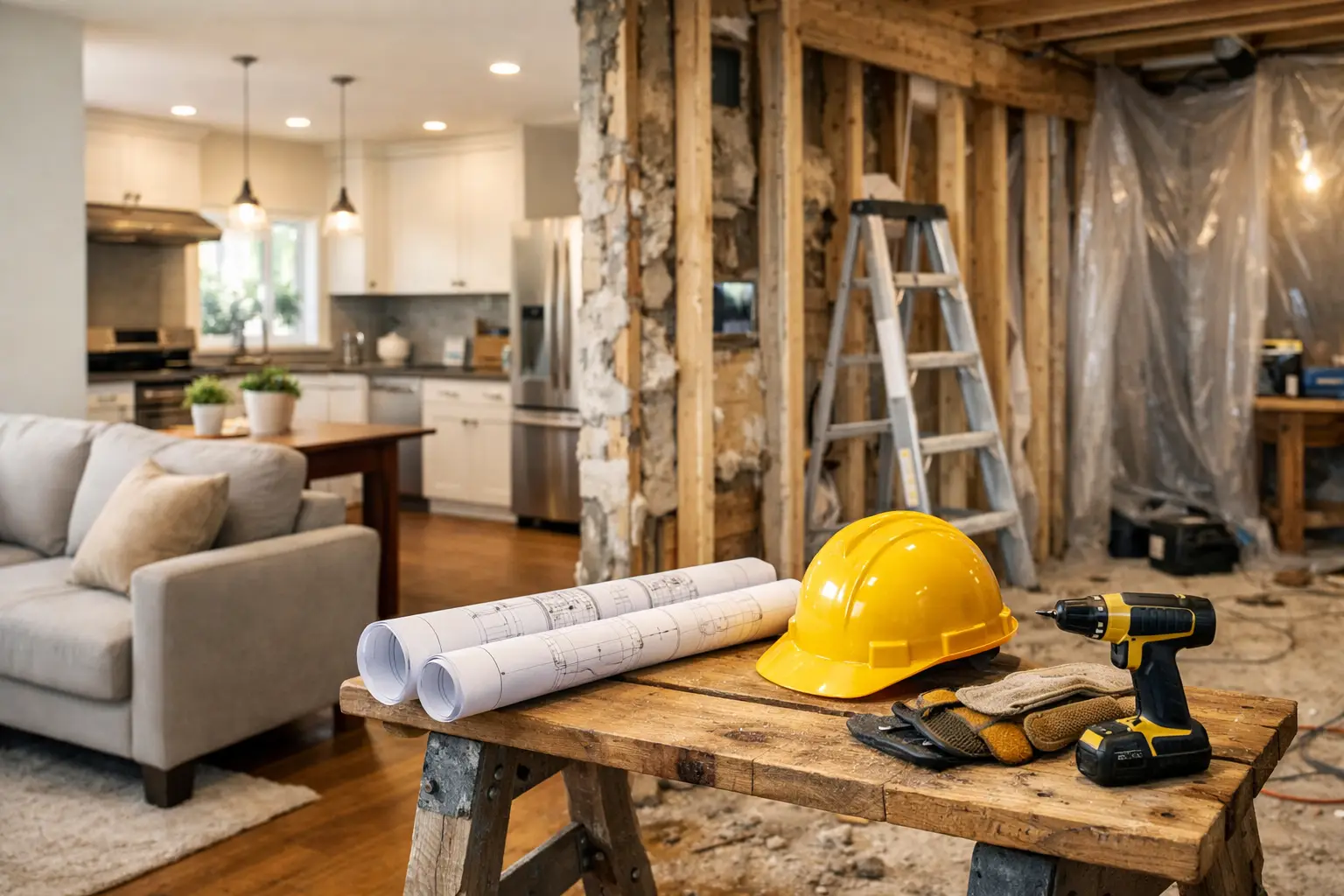
A whole-home renovation gets real the moment you realize it is not one project. It is a hundred connected decisions that affect cost, schedule, design, and daily life. If you are figuring out how to prepare for a whole home renovation, the goal is not just to pick finishes and hope for the best. The goal is to create enough clarity up front that construction can move with fewer surprises, cleaner decisions, and far less stress.
On the Peninsula, where homes carry real long-term value and city processes can be demanding, preparation has a direct effect on outcome. The homeowners who have the smoothest projects are usually not the ones who avoid complexity. They are the ones who make the big decisions early, build the right team, and go into construction with an honest scope.
Start with the reason behind the renovation
Before anyone talks about fixtures, cabinetry, or layout options, get clear on what the renovation needs to accomplish. Some projects are about function. The kitchen is undersized, the floor plan is dated, or the house no longer works for a growing family. Others are about longevity. The home has good bones, but major systems, insulation, roofing, plumbing, or electrical need to be brought up to a better standard.
That distinction matters because it shapes where the budget should go. If the real goal is to make the home work beautifully for the next 15 years, it may be smarter to invest first in layout, structure, windows, mechanical systems, and durable finishes rather than spend heavily on decorative upgrades that do not solve the core issues.
This is also the time to separate must-haves from nice-to-haves. Heated floors might be worth it in a primary bath you will use every day. A custom wine wall may not be, if it forces compromises in parts of the project that affect comfort or resale more directly. Clear priorities protect both quality and decision-making once pricing comes in.
How to prepare for a whole home renovation with a realistic budget
A strong renovation budget is not a wish list number. It is a project tool. It needs to account for construction costs, design fees, engineering, permits, temporary housing if needed, long-lead materials, and a contingency for hidden conditions.
In older homes, especially across established neighborhoods in places like Palo Alto, Burlingame, Los Altos, and Hillsborough, hidden conditions are common. Walls come open and reveal outdated wiring, previous patchwork work, framing changes, water damage, or foundations that need attention. None of that means the project is off track. It means the original budget needs enough room to absorb what the house reveals.
For most whole-home renovations, contingency is not optional. The right amount depends on the age of the home, the scope of demolition, and whether plans are fully developed before pricing. A more defined scope usually means better cost control. A vague scope almost always turns into expensive decisions later.
It also helps to decide early where you want to spend for permanence. Cabinet construction, waterproofing, roofing, plumbing rough-in, electrical capacity, and window quality tend to matter long after trendy selections fade. Built right the first time is not a slogan on a full-home remodel. It is the difference between a home that performs well for years and one that starts asking for repairs too soon.
Build the right team before construction starts
Who you hire affects far more than workmanship. It affects the pace of decisions, the accuracy of pricing, the quality of communication, and how accountable the process feels once the house is opened up.
For a whole-home project, the cleanest outcomes usually come from a team that can coordinate design, feasibility, permitting, and construction in a disciplined way. If your architect, engineer, and builder are aligned early, many conflicts get solved on paper instead of in the field. That protects schedule and budget.
When evaluating contractors, ask how scope is developed, how allowances are handled, who is actually doing the work, and how change orders are communicated. A premium project does not need flashy language. It needs clear answers. You want to know whether the builder has the operational depth to manage sequencing, inspections, and finish quality without passing responsibility around.
This is where accountability matters. A contractor that relies heavily on unknown rotating trades may give you a lower number up front, but the real question is how reliably that team can deliver quality and schedule control over many months. A builder with stronger in-house capability typically has tighter oversight and more consistency in execution.
Finish more design decisions than you think you need to
One of the biggest causes of delay is late design. Homeowners often assume construction can begin while major finish decisions remain open. Sometimes it can, but every unresolved decision creates friction later.
Cabinet layouts affect electrical and plumbing. Flooring choices affect transitions, door clearances, and subfloor prep. Window and door selections affect rough openings, waterproofing details, and lead times. Appliances affect venting, power, and cabinetry dimensions. Even something as simple as a faucet change can alter rough-in requirements if it happens late enough.
That does not mean every decorative choice must be finalized before demolition. It does mean the core decisions should be. Floor plan, structural scope, window package, plumbing fixture types, appliance strategy, tile intent, lighting approach, and cabinetry design should be substantially settled before construction starts.
The more complete the selections, the more accurate the budget and the cleaner the schedule. There is always some flexibility, but flexibility gets expensive when it interrupts work already underway.
Understand permits, lead times, and schedule reality
Many homeowners underestimate the amount of pre-construction work involved in a whole-home remodel. On the Peninsula, city approvals can take time, and that timeline is outside any contractor's full control. Planning review, building permits, structural comments, utility coordination, and inspection scheduling all affect the start date.
Material lead times matter just as much. Custom windows, specialty appliances, plumbing fixtures, tile, and fabricated stone can all take longer than expected. If those items are selected too late, construction crews can end up waiting for products that should have been ordered months earlier.
A realistic schedule has margin in it. That is not inefficiency. It is professionalism. Weather, inspections, field conditions, and client-driven revisions can all shift timing. What you want is not a builder promising the shortest schedule. You want a builder who can explain sequencing honestly and manage the work with discipline when conditions change.
Make a living plan before the first day of demolition
If you will remain in the home during renovation, be honest about what that will feel like. A full-house project means noise, dust, utility interruptions, trade traffic, and limited access to basic spaces. Even with careful containment, it is still an active construction site.
For smaller phased remodels, living in place can make sense. For a true whole-home renovation, temporary housing is often the better decision. It protects your routine, allows the construction team to work more efficiently, and usually reduces friction for everyone involved. Families with young children, remote work demands, or pets should think especially carefully about this.
If you do plan to stay for part of the project, work out practical details before construction begins. Decide what rooms remain usable, where temporary kitchen functions will go, how parking and access will work, and what hours are realistic for work and quiet. These are not small logistics. They shape how manageable the project feels month to month.
Prepare the house and your decisions
There is a physical side to preparation that homeowners often leave too late. Whole-home renovation usually means moving furniture, art, clothing, paperwork, and valuables out of work areas. Anything staying on site should be protected or stored with intention, not pushed from room to room as the job progresses.
There is also a decision side. Decide who has final authority in your household. That sounds obvious, but many projects slow down because too many people are weighing in too late. If one person handles day-to-day communication and both homeowners align on major priorities before construction starts, decisions get made faster and with less strain.
It also helps to agree on your tolerance for changes. Some clients want to refine details as they see the house evolve. That can work, but only if they understand the cost and schedule implications. Other clients prefer to lock everything early and avoid movement. Neither approach is wrong. The key is knowing which kind of client you are.
How to prepare for a whole home renovation without losing control
The best way to stay in control is to accept that control does not mean micromanaging every trade. It means choosing a team with a disciplined process, approving a well-developed scope, reviewing updates consistently, and making decisions when they are needed.
A strong builder will not hide complexity from you. They will translate it. They will explain when an unforeseen condition is truly unforeseen, when a change is owner-driven, and when a recommendation is about protecting quality rather than increasing cost. That level of transparency is what keeps trust intact over a long project.
For homeowners investing seriously in a long-term residence, preparation is less about bracing for disruption and more about setting a higher standard from day one. Firms like Westward Construction are built around that idea: one accountable team, clear communication, and craftsmanship that holds up after the final walkthrough.
If you prepare well, the renovation will still be demanding. That part is unavoidable. But it can also be orderly, well managed, and deeply worth it when the house finally feels like it was rebuilt around the life you actually live.